What Causes Cancer

What Causes Cancer: Exploring Key Factors and Their Impact on Health

Cancer is one of the leading causes of death globally, affecting millions of individuals each year. Despite medical advancements in treatment, many still wonder: What causes cancer? This blog will provide a comprehensive overview of cancer, explore the key factors contributing to its development, and highlight how lifestyle choices can play a significant role in its prevention.

What is Cancer?

Cancer is a group of diseases that occur when cells in the body grow uncontrollably, often forming tumors or spreading to other parts of the body. Under normal circumstances, the body’s cells follow a controlled cycle of growth and death. However, when these cells become cancerous, they ignore the body’s natural signals, leading to abnormal growth.

Types of Cancer

There are over 100 types of cancer, each classified based on where it originates in the body and the type of cells involved. Broadly, cancer can be categorised into:

  1. Solid Tumors: These include carcinomas (e.g., skin, breast, colon) and sarcomas (bone, connective tissue).
  2. Blood Cancers: Cancers that affect blood cells, such as leukemia, lymphoma, and multiple myeloma.
  3. Mixed Tumors: A rare category that includes cancers like carcinosarcoma.

What Causes Cancer

Cancer development is driven by a combination of genetic, environmental, and lifestyle factors. The primary causes include:

  1. Genetics and Inherited Mutations: Some cancers are linked to inherited genetic mutations. However, most cancers arise due to acquired mutations over a person’s lifetime.
  2. Lifestyle Factors: Diet, physical activity, smoking, and alcohol consumption can increase the risk of cancer. High-fat and sugary diets, lack of exercise, and tobacco use are significant contributors.
  3. Environmental Exposure: Exposure to toxic chemicals, radiation, or carcinogens (e.g., asbestos, benzene) can increase the risk of cancer.
  4. Hormonal Imbalances: Hormonal factors, such as prolonged exposure to estrogen or testosterone, may influence the development of cancers like breast and prostate cancer.

Cancer Risk Factors

Certain factors increase your likelihood of developing cancer:

  1. Family History: A family history of cancer can increase the risk, but not all genetic mutations are inherited.
  2. Age: Cancer risk increases with age, as genetic mutations accumulate over time.
  3. Environmental Exposures: Toxins in the workplace or living environment, like asbestos or radon, can raise cancer risk.
  4. Immune System Function: Weakened immune systems due to conditions like HIV or immunosuppressive drugs increase the risk of certain cancers.
  5. Obesity: Excess weight is linked to several types of cancer, including colorectal, liver, and kidney cancer.

What Are the Symptoms of Cancer?

Cancer symptoms can vary widely depending on the type and stage. Common symptoms include:

  • Fatigue and Weakness: Persistent tiredness even with rest.
  • Unexplained Weight Loss: Losing weight without trying, often a sign of cancer affecting the digestive or metabolic systems.
  • Pain and Swelling: Swelling in the abdomen, neck, or joints or unexplained pain.
  • Changes in Skin: New moles, growths, or existing moles that change shape or color.

How Cancer Spreads

Cancer can spread from its original site to other parts of the body through two main processes:

  1. Lymphatic System: Cancer cells can travel through the lymphatic system, a network of vessels that circulate lymph fluid.
  2. Bloodstream: Cancer can also spread through the blood, reaching distant organs and tissues.

This spread is known as metastasis and is the main reason for the aggressive nature of some cancers.

How to Prevent Cancer

While it’s impossible to completely prevent cancer, you can reduce the risk with lifestyle choices:

  1. Quit Smoking: Tobacco use is linked to a wide range of cancers, especially lung cancer.
  2. Healthy Diet: A balanced diet rich in fruits, vegetables, whole grains, and lean proteins can help reduce cancer risk.
  3. Exercise Regularly: Physical activity helps maintain a healthy weight, which lowers the risk of many cancers.
  4. Limit Alcohol: Reducing alcohol intake can lower the risk of cancers such as liver, mouth, and breast cancer.
  5. Regular Screenings: Regular check-ups and screenings (e.g., mammograms, colonoscopies) help detect cancer early, improving treatment outcomes.

Cancer Diagnosis

Healthcare providers use various methods to diagnose cancer, including:

  • Imaging Tests: CT scans, MRIs, and ultrasounds help identify tumors.
  • Biopsy: A sample of tissue from the suspicious area is tested for cancerous cells.
  • Blood Tests: Blood tests, such as the complete blood count (CBC), help detect abnormal cell production or markers of cancer.

Treatment Options for Cancer

Treatment varies based on the type and stage of cancer. Common treatments include:

  • Surgery: Removing the tumor or affected organ.
  • Chemotherapy: Using drugs to kill or stop the growth of cancer cells.
  • Radiation: Using high-energy radiation to destroy cancer cells.
  • Immunotherapy: Stimulating the immune system to fight cancer.
  • Hormone Therapy: Blocking or removing hormones that fuel certain cancers.

Outlook and Prognosis

The outlook for cancer depends on several factors:

  • Cancer Type: Some cancers are easier to treat, while others may be more aggressive.
  • Stage: Early detection often leads to better outcomes.
  • Treatment Response: How well the cancer responds to treatment also plays a role in prognosis.

Living with Cancer

Living with cancer requires emotional and physical strength. Coping with the side effects of treatment and managing emotional stress is crucial for maintaining a good quality of life. Self-care practices like yoga, meditation, therapy, and a balanced diet can support mental and physical health during treatment.

Conclusion

Cancer is a complex disease with various contributing factors, but understanding its causes and risk factors can empower individuals to make informed decisions about their health. Through early detection, a healthy lifestyle, and appropriate treatments, it is possible to manage cancer and live a fulfilling life.

FAQs

Q1: What triggers the onset of cancer in the body?

Ans: Cancer begins when cells in the body start to grow uncontrollably due to genetic mutations or environmental factors like exposure to carcinogens, smoking, or radiation. These factors can disrupt the normal cell cycle, leading to cancer.

Ans: Cancer can be frightening due to its often unpredictable nature, the complexity of treatment, and the potential for it to affect vital organs. The emotional and physical challenges of cancer diagnosis and treatment contribute to its reputation.

Ans: While stress alone does not directly cause cancer, chronic stress can affect the immune system and may contribute to behaviors like smoking or poor eating habits, which increase cancer risk. Maintaining mental and emotional well-being is crucial for overall health.

Ans: The primary causes of skin cancer are prolonged exposure to ultraviolet (UV) radiation from the sun or tanning beds, as well as a family history of skin cancer or certain genetic factors.

Ans: Chronic sleep deprivation may weaken the immune system, increase inflammation, and lead to hormonal imbalances, which could potentially raise the risk of cancer over time. Prioritizing good sleep hygiene is essential for overall health.


Leave a Reply

Your email address will not be published. Required fields are marked *

Shopping cart0
There are no products in the cart!
Continue shopping
0
Add to cart
Doctor consultation

Spirometry

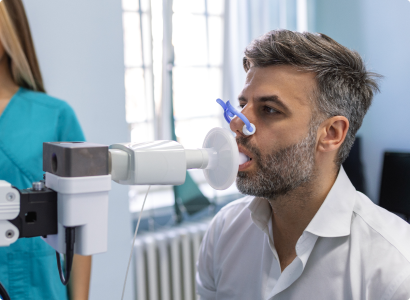
We offer spirometry, a common and essential pulmonary function test that measures how much air you can inhale and exhale, along with the speed of your breath. This quick, non-invasive test is important for diagnosing and monitoring respiratory conditions such as asthma, chronic obstructive pulmonary disease (COPD), and other breathing disorders. Spirometry provides valuable insights to help manage your lung health effectively.

Doctor consultation

Audiometry Test

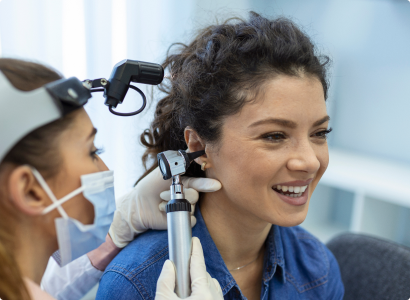
We provide comprehensive audiometry testing—a simple, non-invasive hearing assessment that measures your ability to hear various sounds, pitches, and frequencies. This essential test helps diagnose hearing loss, determine its severity, and identify specific sound ranges that may be affected. Audiometry tests are ideal for anyone experiencing hearing difficulties, tinnitus, or balance concerns.

Doctor consultation

ECG

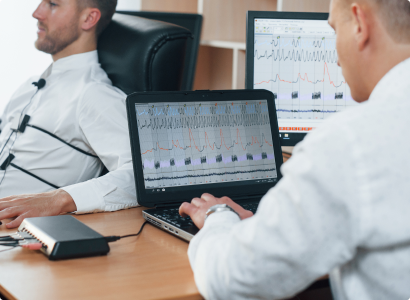
Our cardiology services feature diagnostic tests such as Electrocardiography (ECG) to assess heart function. Since blood tests alone don’t provide a complete picture of heart health, we recommend combining these cardiology tests with blood work including lipid profile, homocysteine, hs-CRP, CPK, LDH, and others—to ensure a thorough and accurate evaluation of your heart condition.

Doctor consultation

X-rays

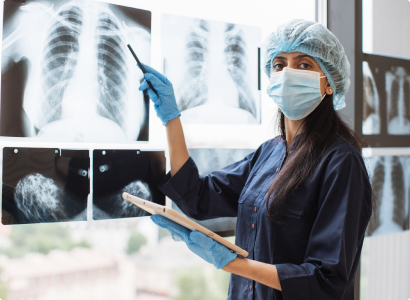
We provide reliable X-ray imaging as part of our radiology services. These imaging techniques provide clear, detailed views of bones and internal organs, providing your physician with crucial information to diagnose injuries or diseases effectively. Our commitment is to deliver precise and reliable reports that support accurate treatment planning and enhance patient care.

Doctor consultation

Basic Health Checkup Camp- Package B

₹ 199

Significance:
  • Covers basic essential parameters to evaluate blood health, sugar level, urine health, and blood grouping.
  • Excellent entry-level screening tool for those without current symptoms.
Ideal for:
  • Students, working professionals, or anyone looking for a quick, budget-friendly basic screening.
  • 46 Test Parameters
CBC + ESR (25 PARAMETERS) HAEMOGLOBIN, TLC (TOTAL LEUCOCYTE COUNT), DIFFERENTIAL LEUCOCYTE COUNT, POLYMORPHS, LYMPHOCYTES, EOSINOPHILS, MONOCYTES, BASOPHILS, ABSOLUTE NEUTROPHIL , COUNT, ABSOLUTE LYMPHOCYTE COUNT, ABSOLUTE EOSINOPHIL COUNT, ABSOLUTE MONOCYTE COUNT, ABSOLUTE BASOPHILS COUNT, RBC, HCT, MCV, MCH, MCHC, PLATELET COUNT, MPV, RDW- CV, RDW- SD, PCT, PDW, ESR
GLUCOSE - RANDOM (1 PARAMETER)
URINE ANALYSIS (19 PARAMETERS) COLOUR, TRANSPARENCY, PH, SP.GRAVITY, URINE SUGAR, URINE PROTEIN, URINE BILIRUBIN, KETONES, UROBILINOGEN, NITRATE, BLOOD, LEUCOCYTES EST, PUS , CELLS., EPITHELIAL CELLS, R.B.C., CRYSTALS, CASTS, BACTERIA, OTHERS
BLOOD GROUP (1 PARAMETER)
Doctor consultation

Family Health Checkup Camp- Package A

₹ 399/-

Significance:
  • Covers basic essential parameters to evaluate blood health, sugar level, urine health,
    and blood grouping.
  • Excellent entry-level screening tool for those without current symptoms.
  • For identifying infectious diseases, especially before surgeries or marriage.
Ideal for:
  • General family health screening, especially before medical procedures or as part of annual checkups.
  • 48 Test Parameters
CBC + ESR (25 PARAMETERS) HAEMOGLOBIN, TLC (TOTAL LEUCOCYTE COUNT), DIFFERENTIAL LEUCOCYTE COUNT, POLYMORPHS, LYMPHOCYTES, EOSINOPHILS, MONOCYTES, BASOPHILS, ABSOLUTE NEUTROPHIL , COUNT, ABSOLUTE LYMPHOCYTE COUNT, ABSOLUTE EOSINOPHIL COUNT, ABSOLUTE MONOCYTE COUNT, ABSOLUTE BASOPHILS COUNT, RBC, HCT, MCV, MCH, MCHC, PLATELET COUNT, MPV, RDW- CV, RDW- SD, PCT, PDW, ESR
GLUCOSE - RANDOM (1 PARAMETER)
URINE ANALYSIS (19 PARAMETERS) COLOUR, TRANSPARENCY, PH, SP.GRAVITY, URINE SUGAR, URINE PROTEIN, URINE BILIRUBIN, KETONES, UROBILINOGEN, NITRATE, BLOOD, LEUCOCYTES EST, PUS , CELLS., EPITHELIAL CELLS, R.B.C., CRYSTALS, CASTS, BACTERIA, OTHERS
BLOOD GROUP (1 PARAMETER)
HIV – RAPID (1 PARAMETER)
HBsAg (Hepatitis B surface Antigen) (1 PARAMETER)
Doctor consultation

Healthy Women Package

499/-

Significance:
  • Detects anemia, infections, and overall immune health.
  • Screens for diabetes risk or blood sugar imbalances.
  • Detects urinary tract infections, kidney issues.
  • Monitors kidney function.
  • Low/high levels may cause muscle cramps, bone weakness.
  • Assess liver health.
  • Checks thyroid function, essential for hormonal balance in women.
Ideal for:
  • Women focusing on general health, thyroid health, and organ function screening.
  • 50 Test Parameters
CBC + ESR (25 PARAMETERS) HAEMOGLOBIN, TLC (TOTAL LEUCOCYTE COUNT), DIFFERENTIAL LEUCOCYTE COUNT, POLYMORPHS, LYMPHOCYTES, EOSINOPHILS, MONOCYTES, BASOPHILS, ABSOLUTE NEUTROPHIL , COUNT, ABSOLUTE LYMPHOCYTE COUNT, ABSOLUTE EOSINOPHIL COUNT, ABSOLUTE MONOCYTE COUNT, ABSOLUTE BASOPHILS COUNT, RBC, HCT, MCV, MCH, MCHC, PLATELET COUNT, MPV, RDW- CV, RDW- SD, PCT, PDW, ESR
GLUCOSE - RANDOM (1 PARAMETER)
URINE ANALYSIS (19 PARAMETERS) COLOUR, TRANSPARENCY, PH, SP.GRAVITY, URINE SUGAR, URINE PROTEIN, URINE BILIRUBIN, KETONES, UROBILINOGEN, NITRATE, BLOOD, LEUCOCYTES EST, PUS , CELLS., EPITHELIAL CELLS, R.B.C., CRYSTALS, CASTS, BACTERIA, OTHERS
CREATININE (1 PARAMETER)
CALCIUM (1 PARAMETER)
SGPT (1 PARAMETER)
SGOT (1 PARAMETER)
THYROID STIMULATING HORMONE (TSH) (1 PARAMETER)
Doctor consultation

BVG Full Body Check-Up - Advanced

3999/-

Significance:
  • Important for sexual health and before surgery or marriage.
  • Helps detect chronic stress, allergies, and immune system response.
  • Useful for diagnosing autoimmune conditions and joint inflammation.
  • Key for preventing bone loss, fractures, and weakness.
Ideal for:
  • People above 40 years
  • Individuals with a sedentary lifestyle, obesity, or family history of heart, liver, or kidney diseases
  • Patients undergoing chronic medication
  • 100 Test Parameters
DIABETIC SCREEN (4 PARAMETERS) FASTING BLOOD SUGAR, URINE GLUCOSE, HBA1C, AVERAGE BLOOD SUGAR
LIPID PROFILE (9 PARAMETERS) CHOLESTEROL, TRIGLYCERIDE, HDL-CHOLESTEROL, LDL CHOLESTEROL, VLDL CHOLESTEROL, LDL / HDL RATIO, HDL / LDL RATIO, CHOL / HDL RATIO, NON- HDL CHOLESTEROL
LIVER FUNCTION TESTS (12 PARAMETERS) TOTAL BILIRUBIN, CONJUGATED BILIRUBIN, UNCONJUGATED BILIRUBIN, SGOT (AST), SGPT (ALT), ALK.PHOSPHATASE, T.PROTEIN, ALBUMIN, GLOBULIN, A/G RATIO, GAMMA GGT., SGOT/SGPT RATIO
THYROID PROFILE COMPLETE(3 PARAMETERS) TOTAL TRIIODOTHYRONINE (T3), TOTAL THYROXINE (T4) THYROID STIMULATING HORMONE (TSH ULTRASENSITIVE)
URINE ANALYSIS (19 PARAMETERS) COLOUR, TRANSPARENCY, PH, SP.GRAVITY, URINE SUGAR, URINE PROTEIN, URINE BILIRUBIN, KETONES, UROBILINOGEN, NITRATE, BLOOD, LEUCOCYTES EST, PUS , CELLS., EPITHELIAL CELLS, R.B.C., CRYSTALS, CASTS, BACTERIA, OTHERS
LCBC + ESR (25 PARAMETERS) HAEMOGLOBIN, TLC (TOTAL LEUCOCYTE COUNT), DIFFERENTIAL LEUCOCYTE COUNT, POLYMORPHS, LYMPHOCYTES, EOSINOPHILS, MONOCYTES, BASOPHILS, ABSOLUTE NEUTROPHIL , COUNT, ABSOLUTE LYMPHOCYTE COUNT, ABSOLUTE EOSINOPHIL COUNT, ABSOLUTE MONOCYTE COUNT, ABSOLUTE BASOPHILS COUNT, RBC, HCT, MCV, MCH, MCHC, PLATELET COUNT, MPV, RDW- CV, RDW- SD, PCT, PDW, ESR
KIDNEY PROFILE (11 PARAMETERS) UREA / BUN, SR. CREATININE, URIC ACID, CALCIUM,PHOSPHOROUS SERUM, BUN (BLOOD UREA NITROGEN), BUN/CREATININE RATIO, UREA/CREATININE RATIO,SODIUM, POTASSIUM, CHLORIDE
IRON PROFILE (4 PARAMETERS) IRON, TIBC, TRANSFERRIN SATURATION, UIBC
VITAMIN B12 (1 PARAMETERS) VITAMIN B12
HEPATIC PROFILE (2 PARAMETERS) HEPATITIS B – HBSAG (RAPID), HEPATITIS C VIRUS (HCV RAPID)
SEXUALLY TRANSMITTED DISEASE (2 PARAMETERS) HIV I & II SEROLOGY (RAPID), VDRL TEST (RPR)
STRESS & ALLERGY (3 PARAMETERS) SERUM CORTISOL, TOTAL IGE-SERUM, AEC-ABSOLUTE EOSINOPHIL COUNT
ARTHRITIS PROFILE (2 PARAMETERS) RHEUMATOID FACTOR (QUANTITATIVE), CRP (C REACTIVE PROTEIN) QUANTITATIVE
BONE HEALTH PROFILE (3 PARAMETERS) VITAMIN D 25-HYDROXY, ALKALINE PHOSPHATASE, PHOSPHOROUS SERUM
Doctor consultation

BVG Full Body Check-up Regular

1499/-

Significance:
  • Gives a 3-month average of blood sugar control, useful for diagnosing and managing diabetes.
  • Deficiency can lead to fatigue, memory issues, and nerve problems.
  • Helps in better understanding urinary and kidney health.
Ideal for:
  • People with early signs of fatigue, weight gain/loss, or dizziness
  • Mildly symptomatic patients
  • Individuals over 30 years old
  • 88 Test Parameters
DIABETIC SCREEN (4 PARAMETERS) FASTING BLOOD SUGAR, URINE GLUCOSE, HBA1C, AVERAGE BLOOD SUGAR
LIPID PROFILE (9 PARAMETERS) CHOLESTEROL, TRIGLYCERIDE, HDL- CHOLESTEROL, LDL CHOLESTEROL, VLDL CHOLESTEROL, LDL / HDL RATIO, HDL / LDL RATIO, CHOL / HDL RATIO, NON-HDL CHOLESTEROL
LIVER FUNCTION TESTS (12 PARAMETERS) TOTAL BILIRUBIN, CONJUGATED BILIRUBIN, UNCONJUGATED BILIRUBIN, SGOT (AST), SGPT (ALT), ALK.PHOSPHATASE, T.PROTEIN, ALBUMIN, GLOBULIN, A/G RATIO, GAMMA GGT., SGOT/SGPT RATIO
THYROID PROFILE COMPLETE(3 PARAMETERS) TOTAL TRIIODOTHYRONINE (T3), TOTAL THYROXINE (T4) THYROID STIMULATING HORMONE (TSH ULTRASENSITIVE)
URINE ANALYSIS (19 PARAMETERS) COLOUR, TRANSPARENCY, PH, SP.GRAVITY, URINE SUGAR, URINE , PROTEIN, URINE BILIRUBIN, KETONES, UROBILINOGEN, NITRATE, BLOOD, LEUCOCYTES EST, PUS , CELLS., EPITHELIAL CELLS, R.B.C., CRYSTALS, CASTS, BACTERIA, OTHERS
CBC + ESR (25 PARAMETERS) HAEMOGLOBIN, TLC (TOTAL LEUCOCYTE COUNT), DIFFERENTIAL LEUCOCYTE COUNT, POLYMORPHS, LYMPHOCYTES, EOSINOPHILS, MONOCYTES, BASOPHILS, ABSOLUTE NEUTROPHIL , COUNT, ABSOLUTE LYMPHOCYTE COUNT, ABSOLUTE EOSINOPHIL COUNT, ABSOLUTE MONOCYTE COUNT, ABSOLUTE BASOPHILS COUNT, RBC, HCT, MCV, MCH, MCHC, PLATELET COUNT, MPV, RDW- CV, RDW- SD, PCT, PDW, ESR
URINE ANALYSIS ( 19 PARAMETERS ) COLOUR, TRANSPARENCY, PH, SP.GRAVITY, URINE SUGAR, URINE , PROTEIN, URINE BILIRUBIN, KETONES, UROBILINOGEN, NITRATE, BLOOD, LEUCOCYTES EST, PUS , CELLS., EPITHELIAL CELLS, R.B.C., CRYSTALS, CASTS, BACTERIA, OTHERS
KIDNEY PROFILE (11 PARAMETERS) UREA / BUN, SR. CREATININE, URIC ACID, CALCIUM, PHOSPHOROUS SERUM, BUN (BLOOD UREA NITROGEN ), BUN/CREATININE RATIO, UREA/CREATININE RATIO, SODIUM, POTASSIUM, CHLORIDE
IRON PROFILE (4 PARAMETERS) IRON, TIBC, TRANSFERRIN SATURATION, UIBC
VITAMIN B12 (1 PARAMETERS) VITAMIN B12
Doctor consultation

BVG Full Body Check-Up - Basic

₹999

Significance:
  • Detects infections, anemia, and inflammatory conditions.
  • Evaluates major organ function, essential for detecting liver damage, kidney disorders, and hormonal imbalances.
  • Assesses cholesterol levels to monitor heart disease risk.
  • Identifies early signs of diabetes.
  • Helps diagnose anemia and iron deficiency.
  • Screens for urinary tract infections and kidney function.
Ideal for:
  • First-time health check-up
  • Annual screening
  • Young adults or those without chronic conditions
  • 85 Test Parameters
IRON PROFILE (4 PARAMETERS) IRON, TIBC, TRANSFERRIN SATURATION, UIBC
DIABETIC SCREEN (2 PARAMETERS) FASTING BLOOD SUGAR, URINE GLUCOSE
KIDNEY PROFILE (11 PARAMETERS) UREA / BUN, SR. CREATININE, URIC ACID, CALCIUM, PHOSPHOROUS SERUM, BUN (BLOOD UREA NITROGEN ), BUN/CREATININE RATIO, UREA/CREATININE RATIO, SODIUM, POTASSIUM, CHLORIDE
THYROID PROFILE COMPLETE (3 PARAMETERS) TOTAL TRIIODOTHYRONINE (T3), TOTAL THYROXINE (T4) THYROID STIMULATING HORMONE (TSH ULTRASENSITIVE)
LIPID PROFILE (9 PARAMETERS ) CHOLESTEROL, TRIGLYCERIDE, HDL-CHOLESTEROL, LDL CHOLESTEROL, VLDL CHOLESTEROL, LDL / HDL RATIO, HDL / LDL RATIO, CHOL / HDL RATIO, NON-HDL CHOLESTEROL
LIVER FUNCTION TESTS (12 PARAMETERS ) TOTAL BILIRUBIN, CONJUGATED BILIRUBIN, UNCONJUGATED BILIRUBIN, SGOT (AST), SGPT (ALT), ALK.PHOSPHATASE, T.PROTEIN, ALBUMIN, GLOBULIN, A/G RATIO, GAMMA GGT., SGOT/SGPT RATIO
URINE ANALYSIS ( 19 PARAMETERS ) COLOUR, TRANSPARENCY, PH, SP.GRAVITY, URINE SUGAR, URINE , PROTEIN, URINE BILIRUBIN, KETONES, UROBILINOGEN, NITRATE, BLOOD, LEUCOCYTES EST, PUS , CELLS., EPITHELIAL CELLS, R.B.C., CRYSTALS, CASTS, BACTERIA, OTHERS
CBC + ESR (25 PARAMETERS ) HAEMOGLOBIN, TLC (TOTAL LEUCOCYTE COUNT), DIFFERENTIAL LEUCOCYTE COUNT, POLYMORPHS, LYMPHOCYTES, EOSINOPHILS, MONOCYTES, BASOPHILS, ABSOLUTE NEUTROPHIL , COUNT, ABSOLUTE LYMPHOCYTE COUNT, ABSOLUTE EOSINOPHIL COUNT, ABSOLUTE MONOCYTE COUNT, ABSOLUTE BASOPHILS COUNT, RBC, HCT, MCV, MCH, MCHC, PLATELET COUNT, MPV, RDW- CV, RDW- SD, PCT, PDW, ESR

Book Your Appointment

Book Your Appointment