How to Improve Skin Health: Tips for Radiant and Glowing Skin

When it comes to achieving healthy, glowing skin, it’s not just about skincare products but a holistic approach that encompasses diet, lifestyle, and natural products. Skin health plays a crucial role in our overall well-being, and maintaining it requires attention, patience, and the right habits. In this blog, we’ll explore effective tips for improving skin health and how you can incorporate natural ingredients into your skincare routine.

Understanding Skin Health: The Basics

Skin is the largest organ in the human body and serves as a barrier protecting internal organs from toxins, bacteria, and other harmful elements. It also helps in regulating body temperature and facilitates the sensation of touch. Maintaining skin health involves balancing moisture, managing oil production, preventing acne or irritation, and providing essential nutrients to repair skin cells.

Good skin health is often an indicator of overall well-being, and poor skin health can be a reflection of an imbalance in diet, stress, or other health conditions. Factors such as weather, lifestyle, pollution, and genetics also play a significant role in determining the health of your skin. Here are some of the ways to keep your skin healthy and glowing.

1. Stay Hydrated for Healthy Skin

One of the simplest yet most effective ways to improve your skin health is by staying hydrated. Drinking plenty of water helps flush out toxins from the body, keeping the skin hydrated, and promoting a healthy glow. Adequate hydration also helps maintain the elasticity of the skin, preventing dryness, irritation, and premature aging.

2. Cleanse Your Skin Regularly

Keeping your skin clean is fundamental to maintaining its health. Dirt, pollutants, sweat, and excess oils can clog your pores and lead to acne, blackheads, and other skin problems. Use a gentle cleanser suited for your skin type to wash away impurities and keep your skin fresh.

3. Follow a Healthy Diet

What you eat has a direct impact on the health of your skin. Incorporate nutrient-dense foods such as fruits, vegetables, whole grains, and healthy fats like avocado and nuts into your diet. Foods rich in antioxidants, vitamin C, and vitamin E, such as berries, citrus fruits, and leafy greens, can protect the skin from oxidative stress and premature aging. Omega-3 fatty acids found in fatty fish or flaxseeds help to maintain the skin’s moisture barrier.

4. Manage Stress for Clearer Skin

Chronic stress is one of the main contributors to skin problems such as acne, eczema, or rosacea. When you’re stressed, your body produces more cortisol, which can lead to increased oil production in the skin, triggering breakouts. Managing stress through regular physical activity, relaxation exercises, or mindfulness practices like meditation can help keep your skin clear and balanced.

5. Get Enough Sleep

Sleep is the body’s natural repair and rejuvenation period. Skin cells regenerate while you sleep, and lack of sleep can lead to dull, tired-looking skin, as well as an increase in dark circles under the eyes. Aim for 7-9 hours of quality sleep each night to give your skin the opportunity to recover and rejuvenate.

6. Use Natural Skincare Ingredients

When it comes to caring for your skin, natural ingredients can provide numerous benefits without harsh chemicals. Here are a few natural skincare ingredients to consider integrating into your routine:

Neem: Known for its antibacterial and anti-inflammatory properties, Neem can help purify the skin, reduce acne, and soothe irritated skin. It also detoxifies the body, which supports clearer skin.

Tulsi: With its antioxidant properties, Tulsi helps fight free radicals and inflammation, which can lead to clearer, healthier skin. It also works as a natural anti-ageing ingredient by helping to prevent the breakdown of collagen.

Lavender: Lavender is well-known for its calming and soothing properties. It also has antimicrobial benefits that can help treat acne and other skin conditions.

Sweet Orange: Packed with vitamin C, Sweet Orange is an antioxidant that helps brighten the skin, reduce dark spots, and improve overall skin tone.

Coconut Oil: Coconut oil is widely used for its moisturizing properties. It can hydrate dry skin, reduce inflammation, and is also effective in reducing acne-causing bacteria.

Gulab (Rosewater): Rosewater has anti-inflammatory properties that help reduce redness and irritation. It also hydrates and tones the skin, providing a natural glow.

7. Skin Care with Herbal Products

When it comes to skin care, using the right products can make a significant difference. A holistic approach that combines lifestyle habits, diet, and natural products can help you achieve and maintain beautiful skin.

One such option is the Skin Care Kit by BVG Life Sciences, which incorporates ingredients like Neem, Tulsi, Lavender, Sweet Orange, Coconut Oil, and Gulab, providing your skin with the nourishment it needs to stay healthy. This kit is designed to help you achieve an even skin tone, reduce acne, and promote a healthy, glowing complexion.


Experience the Power of Nature, Order the Skin Care Kit Now and Nourish Your Skin from Within!

Introducing the Skin Care Kit: Natural Skincare by BVG Life Sciences

The Skin Care Kit is a comprehensive approach designed to promote skin health and restore radiance.  

The kit includes:

  • Ackn Go Gel: A topical gel enriched with bioactive herbal ingredients that help unclog pores, reduce inflammation, and soothe irritation caused by acne, dark spots, and other skin conditions.
    How to Apply: Clean face thoroughly with water to remove oil and dust. Dry with clean towel. Cover the affected area with thin layer of Ackn Go Gel two to three times daily.

  • Neem Tablets: With antibacterial and antioxidant properties, Neem tablets help detoxify the body, support liver function, and maintain healthy skin.
    Dosage: 1 or 2 tablets twice a day or as directed by the Physician.


By incorporating these natural products into your skincare routine, you can improve your skin health from within and on the surface, achieving a radiant complexion.

Conclusion

Taking care of your skin doesn’t have to be complicated. By incorporating simple habits such as staying hydrated, managing stress, eating a balanced diet, and using natural products, you can improve your skin health and enjoy a glowing, youthful appearance. Herbal combinations like the Skin Care Kit by BVG Life Sciences offer a natural approach to maintaining healthy, beautiful skin.


If you’re ready to transform your skin health and enjoy a radiant complexion, consider adding this kit to your daily routine. Order the Skin Care Kit now and start your journey towards glowing skin today!

FAQs

Q1: How can I improve my skin tone naturally?

Ans: Incorporate vitamin C-rich foods, use natural skincare ingredients like Sweet Orange, and keep your skin hydrated with moisturizing oils such as Coconut Oil.

Ans: Yes, the Skin Care Kit is designed for daily use. The products are gentle and suitable for most skin types. It is always better to consult with a healthcare professional before.


Ans: Neem and Tulsi are great medicinal herbs for acne due to their antibacterial and anti-inflammatory properties.

Ans: Coconut Oil provides deep hydration, may reduce inflammation, and has antimicrobial properties that help reduce acne and promote healthy skin.

Ans: A healthy diet supports skin from within, but combining it with proper skincare gives the best results.


 

Hair Care for Oily Scalp: Tips for Maintaining Healthy Hair

An oily scalp can be frustrating, especially when it leads to greasy, limp hair. The excess oil can weigh down your strands, making your hair appear dull and unclean, even after washing. Understanding why your scalp produces oil and how to manage it effectively can help you maintain a healthy scalp and shiny, bouncy hair. In this blog, we will discuss common causes of oily hair, provide effective tips for managing an oily scalp, and explore how you can maintain the balance between healthy hair and a well-hydrated scalp.

What Causes Oily Hair?

Oily hair is the result of overactive sebaceous glands on the scalp. These glands produce sebum, a natural oil that helps moisturize and protect your skin and hair. However, when your scalp produces too much sebum, it can lead to greasy, weighed-down hair. Several factors contribute to excessive oil production, including:

  1. Hormonal Changes: Hormonal fluctuations, especially during puberty, menstruation, pregnancy, or due to birth control, can increase sebum production.
  2. Genetics: Your genetic makeup plays a large role in how much oil your scalp produces. Some individuals naturally have oilier scalps, while others may have drier skin and hair.
  3. Diet: A diet rich in processed foods, sugars, and unhealthy fats can promote oil production in your scalp.
  4. Stress: Emotional stress can trigger hormone imbalances that may result in increased sebum production.
  5. Weather Conditions: Humidity can contribute to an oily scalp. When the air is humid, your scalp can retain more moisture, leading to a greasier appearance.
  6. Improper Hair Care: Over-washing or under-washing your hair can disturb the scalp’s oil balance. Additionally, using the wrong hair care products can exacerbate oil production.

Signs You Have Oily Hair

Oily hair can be identified by several telltale signs, including:

  • Greasy or Shiny Appearance: The most obvious sign of oily hair is the greasy, shiny appearance of your hair.
  • Flat or Limp Hair: Excess oil can weigh down your hair, making it look flat and lifeless.
  • Oily Scalp: Your scalp might feel oily to touch, and it may also be itchy or irritated.
  • Frequent Need to Wash: Oily hair often requires more frequent washing to maintain a fresh look, which can strip the scalp of natural oils and create an imbalance.

How to Manage Oily Hair

Managing oily hair requires a delicate balance. The goal is to maintain a clean, fresh scalp without stripping away its natural oils. Here are some essential tips for managing oily hair:

1. Wash Your Hair Regularly
Regular washing is crucial to control excess oil. However, over-washing can strip your scalp of natural oils, causing it to compensate by producing even more oil. Finding the right balance is key.

  • How often to wash: Aim to wash your hair every two to three days or as needed based on how oily your scalp feels.
  • Shampooing technique: Be sure to massage the shampoo into your scalp with your fingertips to remove excess oil and dirt.

2. Avoid Hot Water

Washing your hair with hot water can irritate the scalp and increase oil production. Always wash your hair with lukewarm water to maintain a balanced scalp. Hot water can also damage hair, making it more prone to frizz and dryness.

3. Brush Your Hair Less

Brushing your hair too often can stimulate the sebaceous glands, causing them to produce more oil. Limit brushing to once or twice a day and use a gentle brush with soft bristles to avoid irritating the scalp.

  • Avoid scratching: Scratching your scalp can irritate it and stimulate more oil production. Gently massage the scalp when washing your hair.

4. Use Natural Ingredients 

There are several natural ingredients that may help control excess oil and maintain a healthy scalp:

  • Aloe vera: Aloe vera gel can help soothe and moisturize the scalp, reducing oil production. You can apply fresh aloe vera directly to your scalp and leave it on for 15-20 minutes before rinsing.
  • Lemon juice: Lemon juice has astringent properties that can help balance the scalp and reduce oiliness. You can mix lemon juice with water and apply it to the scalp for a quick refresh.

5. Limit Heat Styling

Excessive heat styling can irritate your scalp and contribute to oiliness. Try to air-dry your hair whenever possible, and use heat styling tools sparingly. When you do use a blow dryer or straightener, always use a low heat setting and a heat protectant to minimize damage.

6. Maintain a Healthy Diet

A balanced diet can play a significant role in controlling oil production. Include plenty of fruits, vegetables, and whole grains in your diet to support overall scalp health. Avoid processed foods and sugary snacks that can contribute to hormonal imbalances, which may increase oil production.

  • Hydrate well: Drink plenty of water throughout the day to maintain hydration and support healthy skin and scalp function.

Lifestyle Tips to Complement Herbal Support

To get the best results, combine herbal supplementation with these healthy habits:

  • Maintain a balanced diet rich in fiber and protein.
  • Avoid excessive sugary and fried foods.
  • Stay active throughout the day, not just during workouts.
  • Monitor progress regularly to stay motivated.

These habits, combined with herbal support, can significantly improve your weight management outcomes over time.

Conclusion

Managing oily hair is a combination of proper hair care habits, the right products, and lifestyle choices. By incorporating the above tips into your routine, you can reduce excess oil and keep your scalp balanced and healthy. Remember, finding a routine that works for your specific hair type and oil production levels may take some time to adjust, but with patience and consistency, you can maintain a healthy scalp and fresh, clean hair.

Whether you’re struggling with oily hair due to hormones, environmental factors, or lifestyle choices, a few adjustments to your hair care routine can make all the difference.

FAQs

Q1: Does an oily scalp mean I have unhealthy hair?

Ans: Not necessarily. While an oily scalp can lead to buildup or dandruff, it doesn’t always indicate unhealthy hair. With proper care, an oily scalp can be managed, and your hair can remain healthy.

Ans: Excess sebum production is the main cause; using the right shampoo and washing regularly can help control oil.

Ans: An oily scalp feels greasy and looks shiny due to excess sebum, while a dry scalp may feel tight or itchy, with flakes of skin visible. Oily hair tends to be limp and flat, while dry hair feels brittle or frizzy.

Ans: If you have an oily scalp, washing your hair every other day or even daily may be necessary to remove excess oil. However, try not to over-wash, as this can lead to the scalp producing even more oil in response.

Ans: Yes, dry shampoo absorbs excess oil and provides a temporary solution between washes.

How to Manage Weight Naturally for Better Health

Maintaining a healthy weight is not just about aesthetics—it’s a critical factor in overall well-being. Excess body weight can lead to numerous health issues, including diabetes, heart disease, joint problems, and hormonal imbalances. Many people struggle with weight management despite regular exercise and dieting, often due to metabolic inefficiencies or dietary habits. Understanding how to manage weight naturally can empower you to make sustainable lifestyle choices, improve your metabolism, and achieve long-term health benefits.

In this blog, we explore natural strategies for weight management, backed by scientific research and traditional Ayurvedic wisdom. We’ll also introduce a herbal approach to support your weight management journey.

Understanding Weight Management

Weight management involves balancing the calories you consume with the calories your body burns. While exercise and diet are primary factors, several other elements play crucial roles:

  • Metabolism: Your body’s ability to convert food into energy affects weight. A slower metabolism can lead to weight gain even when consuming moderate calories.
  • Appetite Regulation: Overeating or uncontrolled cravings can hinder weight management. Certain natural ingredients can help suppress appetite.
  • Hormonal Balance: Hormones like insulin, cortisol, and leptin significantly influence fat storage and energy utilization.
  • Lifestyle Factors: Sleep quality, stress levels, and activity patterns also impact your weight.

By focusing on these areas, you can create a holistic approach that targets the root causes of weight gain rather than just symptoms.

Helpful Natural Methods to Manage Weight

Here are some accepted ways to manage weight naturally:

1. Focus on Whole Foods
Eating whole, minimally processed foods can have a significant impact on weight management. Include:

  • Fresh fruits and vegetables
  • Whole grains like quinoa, oats, and brown rice
  • Lean proteins such as legumes, tofu, and fish
  • Healthy fats from nuts, seeds, and olive oil

These foods not only provide essential nutrients but also improve satiety, preventing overeating.

2. Incorporate Regular Physical Activity
Exercise is a cornerstone of weight management. Combining cardio workouts with strength training helps in burning fat while building muscle. Muscle tissue burns more calories even at rest, thereby improving your metabolism.

  • Aim for at least 150 minutes of moderate-intensity cardio weekly.
  • Include strength training 2–3 times per week to maintain lean muscle mass.
  • Simple activities like walking, cycling, or yoga can also support weight control naturally.

3. Stay Hydrated

Drinking adequate water supports metabolism and aids in digestion. Sometimes, our body confuses thirst with hunger, leading to unnecessary calorie consumption. Drinking water before meals can help reduce food intake naturally.

4. Manage Stress and Sleep

Chronic stress elevates cortisol levels, which can lead to fat accumulation, especially around the abdomen. Similarly, poor sleep disrupts hunger-regulating hormones, causing increased appetite.

  • Practice mindfulness, meditation, or yoga to manage stress.
  • Ensure 7–8 hours of quality sleep each night.

5. Control Portion Sizes

Mindful eating is essential. Eating slowly, avoiding distractions, and paying attention to hunger cues can prevent overeating. Using smaller plates or tracking food intake can help you maintain a caloric balance.

Herbal Support for Natural Weight Management

Ayurveda offers several herbal ingredients that support weight management and improve metabolism. One such option is Gar-Gym Plus Capsules, a blend of natural herbs scientifically known to support lipid balance.

Key Herbal Ingredients in Gar-Gym Plus Capsules:

  • Kokam (Garcinia indica): Known for its appetite-suppressant effects and anti-hyperlipidemic properties.
  • Adrak (Zingiber officinale): Supports fat metabolism and helps control weight gain.
  • Beheda (Terminalia bellirica): Helps reduce fat absorption and inhibits pancreatic lipase activity.
  • Guggulu (Commiphora mukul): Contains guggulsterone, which is associated with lipid reduction and weight control.
  • Gurmar (Gymnema sylvestre): Helps regulate glucose absorption and supports anti-obesity effects.
  • Gokshur (Tribulus terrestris): Supports healthy glycemic and lipid profiles.
  • Kari Patta (Murraya koenigii): May assist in lipid metabolism due to its phyto constituents.

The capsules are designed to improve metabolism and support your weight management journey naturally. 

Dosage: 1 or 2 Capsules twice a day or as directed by the Physician.
Learn More About Gar-Gym Plus Capsules

Why Choose Herbal Support?
Herbal options complement your lifestyle efforts, and they work subtly to support metabolism, control cravings, and assist in maintaining a healthy weight.

Lifestyle Tips to Complement Herbal Support

To get the best results, combine herbal supplementation with these healthy habits:

  • Maintain a balanced diet rich in fiber and protein.
  • Avoid excessive sugary and fried foods.
  • Stay active throughout the day, not just during workouts.
  • Monitor progress regularly to stay motivated.

These habits, combined with herbal support, can significantly improve your weight management outcomes over time.

Common Myths About Weight Management

Understanding the truth behind common misconceptions can prevent frustration:

  • Myth: Skipping meals helps reduce weight.
    Fact: Skipping meals slows metabolism and may lead to overeating later.

  • Myth: Carbs are bad for weight management.
    Fact: Complex carbohydrates like whole grains and legumes provide energy and promote satiety.

  • Myth: Only intense exercise helps.
    Fact: Consistent moderate activity, like walking or yoga, is more helpful.

  • Myth: Herbal supplements alone can make you lose weight.
    Fact: Supplements support weight management but work best when combined with a healthy lifestyle.

Benefits of Managing Weight Naturally

Taking a natural approach to weight management comes with long-term benefits:

  • Sustainable fat loss without yo-yo dieting
  • Improved metabolism and energy levels
  • Better cardiovascular health
  • Reduced risk of diabetes and obesity-related disorders
  • Enhanced mental well-being and self-confidence

Conclusion

Managing weight naturally requires a holistic approach—balanced nutrition, regular physical activity, stress management, adequate sleep, and herbal support. By adopting these strategies, you can achieve your health goals safely and sustainably.

Herbal formulations like Gar-Gym Plus Capsules can be a valuable part of your journey, improving metabolism, controlling cravings, and supporting healthy weight management.

Order Gar-Gym Plus Capsules for Natural Weight Support

Taking proactive steps towards your health today can lead to lasting results and better quality of life. Remember, it’s not just about losing weight—it’s about gaining wellness.

FAQs

Q1: Is it necessary to follow a strict diet for weight loss?

Ans: While strict diets may yield temporary results, sustainable weight management is more achievable through a balanced, long-term approach. Eating whole, nutrient-dense foods and incorporating regular physical activity are key for long-lasting health.

Ans: Whole foods such as fresh fruits, vegetables, lean proteins, whole grains, and healthy fats help support weight management by providing essential nutrients and promoting fullness, reducing the likelihood of overeating.

Ans: Staying hydrated helps with appetite regulation, supports metabolism, and ensures optimal digestion, all of which contribute to better weight management. Drinking water regularly also prevents overeating by distinguishing thirst from hunger.

Ans: Natural weight management practices, such as healthy eating, regular physical activity, and hydration, improve metabolic health, boost energy levels, and reduce the risk of chronic diseases like diabetes and heart disease. This holistic approach promotes overall wellness and vitality.

Ans: Regular exercise boosts metabolism and helps burn calories, making it easier to maintain a healthy weight.

What Causes Cancer: Exploring Key Factors and Their Impact on Health

Cancer is one of the leading causes of death globally, affecting millions of individuals each year. Despite medical advancements in treatment, many still wonder: What causes cancer? This blog will provide a comprehensive overview of cancer, explore the key factors contributing to its development, and highlight how lifestyle choices can play a significant role in its prevention.

What is Cancer?

Cancer is a group of diseases that occur when cells in the body grow uncontrollably, often forming tumors or spreading to other parts of the body. Under normal circumstances, the body’s cells follow a controlled cycle of growth and death. However, when these cells become cancerous, they ignore the body’s natural signals, leading to abnormal growth.

Types of Cancer

There are over 100 types of cancer, each classified based on where it originates in the body and the type of cells involved. Broadly, cancer can be categorised into:

  1. Solid Tumors: These include carcinomas (e.g., skin, breast, colon) and sarcomas (bone, connective tissue).
  2. Blood Cancers: Cancers that affect blood cells, such as leukemia, lymphoma, and multiple myeloma.
  3. Mixed Tumors: A rare category that includes cancers like carcinosarcoma.

What Causes Cancer

Cancer development is driven by a combination of genetic, environmental, and lifestyle factors. The primary causes include:

  1. Genetics and Inherited Mutations: Some cancers are linked to inherited genetic mutations. However, most cancers arise due to acquired mutations over a person’s lifetime.
  2. Lifestyle Factors: Diet, physical activity, smoking, and alcohol consumption can increase the risk of cancer. High-fat and sugary diets, lack of exercise, and tobacco use are significant contributors.
  3. Environmental Exposure: Exposure to toxic chemicals, radiation, or carcinogens (e.g., asbestos, benzene) can increase the risk of cancer.
  4. Hormonal Imbalances: Hormonal factors, such as prolonged exposure to estrogen or testosterone, may influence the development of cancers like breast and prostate cancer.

Cancer Risk Factors

Certain factors increase your likelihood of developing cancer:

  1. Family History: A family history of cancer can increase the risk, but not all genetic mutations are inherited.
  2. Age: Cancer risk increases with age, as genetic mutations accumulate over time.
  3. Environmental Exposures: Toxins in the workplace or living environment, like asbestos or radon, can raise cancer risk.
  4. Immune System Function: Weakened immune systems due to conditions like HIV or immunosuppressive drugs increase the risk of certain cancers.
  5. Obesity: Excess weight is linked to several types of cancer, including colorectal, liver, and kidney cancer.

What Are the Symptoms of Cancer?

Cancer symptoms can vary widely depending on the type and stage. Common symptoms include:

  • Fatigue and Weakness: Persistent tiredness even with rest.
  • Unexplained Weight Loss: Losing weight without trying, often a sign of cancer affecting the digestive or metabolic systems.
  • Pain and Swelling: Swelling in the abdomen, neck, or joints or unexplained pain.
  • Changes in Skin: New moles, growths, or existing moles that change shape or color.

How Cancer Spreads

Cancer can spread from its original site to other parts of the body through two main processes:

  1. Lymphatic System: Cancer cells can travel through the lymphatic system, a network of vessels that circulate lymph fluid.
  2. Bloodstream: Cancer can also spread through the blood, reaching distant organs and tissues.

This spread is known as metastasis and is the main reason for the aggressive nature of some cancers.

How to Prevent Cancer

While it’s impossible to completely prevent cancer, you can reduce the risk with lifestyle choices:

  1. Quit Smoking: Tobacco use is linked to a wide range of cancers, especially lung cancer.
  2. Healthy Diet: A balanced diet rich in fruits, vegetables, whole grains, and lean proteins can help reduce cancer risk.
  3. Exercise Regularly: Physical activity helps maintain a healthy weight, which lowers the risk of many cancers.
  4. Limit Alcohol: Reducing alcohol intake can lower the risk of cancers such as liver, mouth, and breast cancer.
  5. Regular Screenings: Regular check-ups and screenings (e.g., mammograms, colonoscopies) help detect cancer early, improving treatment outcomes.

Cancer Diagnosis

Healthcare providers use various methods to diagnose cancer, including:

  • Imaging Tests: CT scans, MRIs, and ultrasounds help identify tumors.
  • Biopsy: A sample of tissue from the suspicious area is tested for cancerous cells.
  • Blood Tests: Blood tests, such as the complete blood count (CBC), help detect abnormal cell production or markers of cancer.

Treatment Options for Cancer

Treatment varies based on the type and stage of cancer. Common treatments include:

  • Surgery: Removing the tumor or affected organ.
  • Chemotherapy: Using drugs to kill or stop the growth of cancer cells.
  • Radiation: Using high-energy radiation to destroy cancer cells.
  • Immunotherapy: Stimulating the immune system to fight cancer.
  • Hormone Therapy: Blocking or removing hormones that fuel certain cancers.

Outlook and Prognosis

The outlook for cancer depends on several factors:

  • Cancer Type: Some cancers are easier to treat, while others may be more aggressive.
  • Stage: Early detection often leads to better outcomes.
  • Treatment Response: How well the cancer responds to treatment also plays a role in prognosis.

Living with Cancer

Living with cancer requires emotional and physical strength. Coping with the side effects of treatment and managing emotional stress is crucial for maintaining a good quality of life. Self-care practices like yoga, meditation, therapy, and a balanced diet can support mental and physical health during treatment.

Conclusion

Cancer is a complex disease with various contributing factors, but understanding its causes and risk factors can empower individuals to make informed decisions about their health. Through early detection, a healthy lifestyle, and appropriate treatments, it is possible to manage cancer and live a fulfilling life.

FAQs

Q1: What triggers the onset of cancer in the body?

Ans: Cancer begins when cells in the body start to grow uncontrollably due to genetic mutations or environmental factors like exposure to carcinogens, smoking, or radiation. These factors can disrupt the normal cell cycle, leading to cancer.

Ans: Cancer can be frightening due to its often unpredictable nature, the complexity of treatment, and the potential for it to affect vital organs. The emotional and physical challenges of cancer diagnosis and treatment contribute to its reputation.

Ans: While stress alone does not directly cause cancer, chronic stress can affect the immune system and may contribute to behaviors like smoking or poor eating habits, which increase cancer risk. Maintaining mental and emotional well-being is crucial for overall health.

Ans: The primary causes of skin cancer are prolonged exposure to ultraviolet (UV) radiation from the sun or tanning beds, as well as a family history of skin cancer or certain genetic factors.

Ans: Chronic sleep deprivation may weaken the immune system, increase inflammation, and lead to hormonal imbalances, which could potentially raise the risk of cancer over time. Prioritizing good sleep hygiene is essential for overall health.

Immune System and Cancer: How the Immune System Plays a Vital Role

The immune system is our body’s natural defense against harmful invaders like bacteria, viruses, and even cancer cells. Most people know that the immune system helps fight infections, but fewer understand how it protects us from cancer. In this blog, we will explore how the immune system interacts with cancer, how it helps prevent cancer, and what you can do to keep your immune system strong.

What Is the Immune System?

The immune system is a network of cells, tissues, and organs that work together to protect the body. Key players in the immune system include white blood cells and antibodies, which help identify and destroy harmful invaders. The immune system also detects abnormal or damaged cells, like cancer cells, and removes them before they can cause harm.

A healthy immune system can spot and fight cancer cells early on, preventing them from growing and spreading. However, when the immune system is weakened or not functioning properly, it becomes easier for cancer cells to evade detection.

Also Read: What Causes Cancer

How the Immune System Detects Cancer Cells

Our immune system constantly monitors our cells to identify any abnormalities. Cancer cells often produce proteins that are different from those found in healthy cells. These proteins act as “red flags” that alert the immune system to investigate further.

One way the immune system detects cancer is through T-cells, a type of white blood cell. These cells can recognize the abnormal proteins on cancer cells and trigger their destruction. Another important cell in this process is the natural killer (NK) cell, which targets and destroys cancerous cells without needing prior activation.

The Immune System and Cancer Prevention

The immune system is vital for preventing cancer. Under normal conditions, it works continuously to detect and eliminate abnormal cells before they can multiply and form tumors.

This process is called immune surveillance. When the immune system is working properly, it can catch and eliminate cancer cells early, preventing them from developing into full-blown cancer. However, several factors can interfere with this process:

  1. Immune suppression: A weakened immune system, due to age, illness, or medication, can make it harder for the body to detect and destroy cancer cells.
  2. Cancer immune evasion: Some cancer cells have developed ways to hide from the immune system, allowing them to grow unchecked.

Cancer Immunotherapy: A New Way to Fight Cancer

Immunotherapy is a promising cancer therapy that harnesses the power of the immune system to fight cancer. Unlike traditional options like chemotherapy and radiation, which attack cancer cells directly, immunotherapy boosts the immune system’s ability to recognize and destroy cancer cells.

There are several types of immunotherapy used to treat cancer:

  1. Monoclonal antibodies: These lab-made antibodies can attach to cancer cells and help the immune system destroy them.
  2. Immune checkpoint inhibitors: These drugs block the signals that cancer cells use to avoid detection by the immune system. By stopping these signals, immune cells can more effectively target cancer cells.
  3. Cancer vaccines: These vaccines work by stimulating the immune system to recognize and fight cancer cells.

Immunotherapy has shown success in treating cancers such as melanoma, lung cancer, and certain types of leukemia. While still being researched for some cancers, immunotherapy is rapidly becoming an important option.

How to Strengthen Your Immune System for Better Cancer Protection

While immunotherapy is helping many cancer patients, there are steps you can take in your daily life to strengthen your immune system and reduce your risk of cancer.

1. Eat a Halthy Diet
A balanced diet with plenty of fruits, vegetables, whole grains, and lean proteins is essential for immune health. Foods like leafy greens, citrus fruits, and berries are rich in antioxidants that help support the immune system. Omega-3 fatty acids found in fish like salmon, and nuts like walnuts, can also reduce inflammation and improve immune function.

2. Exercise Regularly
Exercise boosts your immune system by improving circulation and increasing the number of immune cells in the body. Moderate exercise, such as walking, swimming, or cycling, can help your body fight infections and abnormal cells.

3. Get Enough Sleep
Sleep is when your body produces important immune cells that fight off infections. Aim for 7-8 hours of sleep each night to help your immune system stay strong and healthy.

4. Manage Stress
Chronic stress can weaken your immune system, making it more difficult for your body to fight cancer. Stress-reducing activities like meditation, deep breathing, or spending time in nature can help keep your immune system functioning well.

Why Immunity and Cancer Risk Are Linked

While no one can completely eliminate the risk of cancer, maintaining a healthy immune system can help reduce your risk. A strong immune system is better able to recognize and destroy cancer cells before they have a chance to grow into tumors.

In addition to immune health, other factors like avoiding tobacco, limiting alcohol, protecting your skin from the sun, and getting regular cancer screenings are also crucial for cancer prevention.

Conclusion

The immune system is vital in the fight against cancer. By supporting your immune health through lifestyle changes like eating well, exercising, sleeping well, and managing stress, you can improve your body’s ability to fight cancer.

Though research on cancer immunotherapy continues to grow, it is clear that the immune system plays a vital role in both cancer prevention and betterment approach. Strengthening your immunity can help protect your health and reduce your cancer risk.

FAQs

Q1: Can a strong immune system prevent cancer?

Ans: While a healthy immune system can help detect and eliminate abnormal cells, there are other factors at play. Maintaining immunity can reduce the likelihood of cancer development, but it doesn’t guarantee protection.

Ans: A diet rich in fruits, vegetables, lean proteins, and omega-3 fatty acids supports a healthy immune system and helps reduce inflammation.

Ans: Immunotherapy enhances the immune system’s ability to recognize and attack cancer cells, making it a targeted alternative to traditional treatments like chemotherapy.

Ans: Regular exercise, a balanced diet, enough sleep, stress management, and possibly supplements are effective ways to improve immune health.

Ans: Yes, reduced immune function can make the body less effective at detecting and eliminating cancerous cells.

What is Cancer? Causes of Cancer and Probable Precautions

Cancer is one of the leading disease and in the recent times it is claiming lives where age is no bar, a word which sends shiver down the spine, a disease which not only physically but it drains a person emotionally as well as financially. Let us try to know about the disease in this article.

What is Cancer?

Cancer or commonly termed ‘tumor’ is characterized by uncontrolled growth of cell(s) that over cedes the natural regulatory control of the cell cycle. The tumor may be of two type Benign and malignant tumors. The benign tumors is localized to one site usually doesn’t spread and thus is less harmful whereas Malignant tumor originates at a different site but progressively invades the surrounding tissues and to different organs of the body.

Cancer is leading cause of death worldwide, according to WHO it accounted for more than 10 million deaths in 2022. As per ICMR, In India 1 in 9 people is likely to develop cancer in his/her lifetime. Each year about 14 lakhs new cancer patients are registered and in 2022, more than 8.5 lakh people died due to cancer.

Types of Cancer:

  • Leukemia
  • Breast cancer
  • Lung cancer
  • Lymphoma
  • Sarcoma
  • Uterine cancer
  • Non-Hodgkin’s lymphoma
  • Pancreatic cancer
  • Prostate cancer
  • Colon cancer

Lung, prostate, colorectal, stomach and liver cancer are the most common types of cancer in men, while breast, colorectal, lung, cervical and thyroid cancer are the most common among women.

Causes of Cancer

  • Genetics Changes: the changes occurring at DNA level due to exposure to ultra violet radiation,
  • Physical agents like smoking, Alcohol, tobacco consumption.
  • Chemical Agents such as water contaminated with heavy metals.
  • Biological contaminants such as bacteria- helicobacter pylori may be responsible for colon cancer, viruses- HPV, Hepatitis B & Hepatitis C.
Other causes may be:
  • Sedentary Life style
  • Unhealthy diet
  • Physical inactivity
  • Obesity

Symptoms of Cancer pathology:

  • Extreme tiredness from long time (Chronic fatigue)
  • Unexplained weight loss
  • Unexplained bleeding from any body part
  • Lump/ discharge/ unusual changes in the breasts
  • Persistent cough
  • Blood in sputum
  • Any sore or ulcer that will not heal
  • Swollen lymph nodes at the neck or in armpits.

Various measures of prevention

  • Life Style Modifications
  • Regular Exercise ,
  • Healthy Diet Intake like consumption of milk, ghee in the diet.
  • Food should be freshly cooked.
  • Avoiding alcohol and tobacco consumption, exposure to radiation.
  • Avoiding ultraviolet radiation exposure (which primarily results from exposure to the sun) and/or using sun protection measures.
  • Ensuring safe and appropriate use of radiation in health care (for diagnostic and therapeutic purposes)
  • Getting vaccinated against available Anti-cancer vaccine and regular screening for cancer marker. Regular screening helps in early detection leading to quicker diagnosis.

According to the WHO, few cancer types have high cure probabilities on early diagnosis and when treated according to the best practices.

Current treatment protocol includes chemotherapy, radiotherapy, immunotherapy and, surgery which are costly and often have side effects in majority of the cases. To counter the adverse effects of these treatments herbal formulations and remedies are also being used as adjuvants by few treating doctors.

One such unique formulation has been developed by BVG Life Sciences which is scientifically tested and has been used by individuals with different cancer types through BVG Wellness Clinic.

The ingredients of Can Help formulation are known to:

  • Inhibit cancer cell proliferation.
  • Manages the side effects of chemotherapy and radiation.

Improves weakness, fatigue and
1. Helps to reduce pain and inflammation

Let’s try to beat cancer with Hope, Courage & Strength!

Shopping cart0
There are no products in the cart!
Continue shopping
0
Add to cart
Doctor consultation

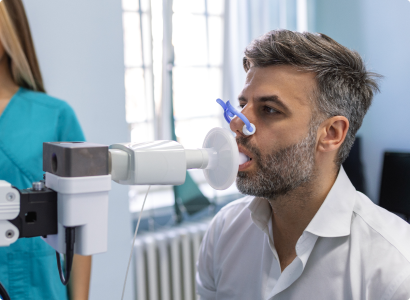
Spirometry

We offer spirometry, a common and essential pulmonary function test that measures how much air you can inhale and exhale, along with the speed of your breath. This quick, non-invasive test is important for diagnosing and monitoring respiratory conditions such as asthma, chronic obstructive pulmonary disease (COPD), and other breathing disorders. Spirometry provides valuable insights to help manage your lung health effectively.

Doctor consultation

Audiometry Test

We provide comprehensive audiometry testing—a simple, non-invasive hearing assessment that measures your ability to hear various sounds, pitches, and frequencies. This essential test helps diagnose hearing loss, determine its severity, and identify specific sound ranges that may be affected. Audiometry tests are ideal for anyone experiencing hearing difficulties, tinnitus, or balance concerns.

Doctor consultation

ECG

Our cardiology services feature diagnostic tests such as Electrocardiography (ECG) to assess heart function. Since blood tests alone don’t provide a complete picture of heart health, we recommend combining these cardiology tests with blood work including lipid profile, homocysteine, hs-CRP, CPK, LDH, and others—to ensure a thorough and accurate evaluation of your heart condition.

Doctor consultation

X-rays

We provide reliable X-ray imaging as part of our radiology services. These imaging techniques provide clear, detailed views of bones and internal organs, providing your physician with crucial information to diagnose injuries or diseases effectively. Our commitment is to deliver precise and reliable reports that support accurate treatment planning and enhance patient care.

Doctor consultation

Basic Health Checkup Camp- Package B

₹ 199

Significance:
  • Covers basic essential parameters to evaluate blood health, sugar level, urine health, and blood grouping.
  • Excellent entry-level screening tool for those without current symptoms.
Ideal for:
  • Students, working professionals, or anyone looking for a quick, budget-friendly basic screening.
  • 46 Test Parameters
CBC + ESR (25 PARAMETERS) HAEMOGLOBIN, TLC (TOTAL LEUCOCYTE COUNT), DIFFERENTIAL LEUCOCYTE COUNT, POLYMORPHS, LYMPHOCYTES, EOSINOPHILS, MONOCYTES, BASOPHILS, ABSOLUTE NEUTROPHIL , COUNT, ABSOLUTE LYMPHOCYTE COUNT, ABSOLUTE EOSINOPHIL COUNT, ABSOLUTE MONOCYTE COUNT, ABSOLUTE BASOPHILS COUNT, RBC, HCT, MCV, MCH, MCHC, PLATELET COUNT, MPV, RDW- CV, RDW- SD, PCT, PDW, ESR
GLUCOSE - RANDOM (1 PARAMETER)
URINE ANALYSIS (19 PARAMETERS) COLOUR, TRANSPARENCY, PH, SP.GRAVITY, URINE SUGAR, URINE PROTEIN, URINE BILIRUBIN, KETONES, UROBILINOGEN, NITRATE, BLOOD, LEUCOCYTES EST, PUS , CELLS., EPITHELIAL CELLS, R.B.C., CRYSTALS, CASTS, BACTERIA, OTHERS
BLOOD GROUP (1 PARAMETER)
Doctor consultation

Family Health Checkup Camp- Package A

₹ 399/-

Significance:
  • Covers basic essential parameters to evaluate blood health, sugar level, urine health,
    and blood grouping.
  • Excellent entry-level screening tool for those without current symptoms.
  • For identifying infectious diseases, especially before surgeries or marriage.
Ideal for:
  • General family health screening, especially before medical procedures or as part of annual checkups.
  • 48 Test Parameters
CBC + ESR (25 PARAMETERS) HAEMOGLOBIN, TLC (TOTAL LEUCOCYTE COUNT), DIFFERENTIAL LEUCOCYTE COUNT, POLYMORPHS, LYMPHOCYTES, EOSINOPHILS, MONOCYTES, BASOPHILS, ABSOLUTE NEUTROPHIL , COUNT, ABSOLUTE LYMPHOCYTE COUNT, ABSOLUTE EOSINOPHIL COUNT, ABSOLUTE MONOCYTE COUNT, ABSOLUTE BASOPHILS COUNT, RBC, HCT, MCV, MCH, MCHC, PLATELET COUNT, MPV, RDW- CV, RDW- SD, PCT, PDW, ESR
GLUCOSE - RANDOM (1 PARAMETER)
URINE ANALYSIS (19 PARAMETERS) COLOUR, TRANSPARENCY, PH, SP.GRAVITY, URINE SUGAR, URINE PROTEIN, URINE BILIRUBIN, KETONES, UROBILINOGEN, NITRATE, BLOOD, LEUCOCYTES EST, PUS , CELLS., EPITHELIAL CELLS, R.B.C., CRYSTALS, CASTS, BACTERIA, OTHERS
BLOOD GROUP (1 PARAMETER)
HIV – RAPID (1 PARAMETER)
HBsAg (Hepatitis B surface Antigen) (1 PARAMETER)
Doctor consultation

Healthy Women Package

499/-

Significance:
  • Detects anemia, infections, and overall immune health.
  • Screens for diabetes risk or blood sugar imbalances.
  • Detects urinary tract infections, kidney issues.
  • Monitors kidney function.
  • Low/high levels may cause muscle cramps, bone weakness.
  • Assess liver health.
  • Checks thyroid function, essential for hormonal balance in women.
Ideal for:
  • Women focusing on general health, thyroid health, and organ function screening.
  • 50 Test Parameters
CBC + ESR (25 PARAMETERS) HAEMOGLOBIN, TLC (TOTAL LEUCOCYTE COUNT), DIFFERENTIAL LEUCOCYTE COUNT, POLYMORPHS, LYMPHOCYTES, EOSINOPHILS, MONOCYTES, BASOPHILS, ABSOLUTE NEUTROPHIL , COUNT, ABSOLUTE LYMPHOCYTE COUNT, ABSOLUTE EOSINOPHIL COUNT, ABSOLUTE MONOCYTE COUNT, ABSOLUTE BASOPHILS COUNT, RBC, HCT, MCV, MCH, MCHC, PLATELET COUNT, MPV, RDW- CV, RDW- SD, PCT, PDW, ESR
GLUCOSE - RANDOM (1 PARAMETER)
URINE ANALYSIS (19 PARAMETERS) COLOUR, TRANSPARENCY, PH, SP.GRAVITY, URINE SUGAR, URINE PROTEIN, URINE BILIRUBIN, KETONES, UROBILINOGEN, NITRATE, BLOOD, LEUCOCYTES EST, PUS , CELLS., EPITHELIAL CELLS, R.B.C., CRYSTALS, CASTS, BACTERIA, OTHERS
CREATININE (1 PARAMETER)
CALCIUM (1 PARAMETER)
SGPT (1 PARAMETER)
SGOT (1 PARAMETER)
THYROID STIMULATING HORMONE (TSH) (1 PARAMETER)
Doctor consultation

BVG Full Body Check-Up - Advanced

3999/-

Significance:
  • Important for sexual health and before surgery or marriage.
  • Helps detect chronic stress, allergies, and immune system response.
  • Useful for diagnosing autoimmune conditions and joint inflammation.
  • Key for preventing bone loss, fractures, and weakness.
Ideal for:
  • People above 40 years
  • Individuals with a sedentary lifestyle, obesity, or family history of heart, liver, or kidney diseases
  • Patients undergoing chronic medication
  • 100 Test Parameters
DIABETIC SCREEN (4 PARAMETERS) FASTING BLOOD SUGAR, URINE GLUCOSE, HBA1C, AVERAGE BLOOD SUGAR
LIPID PROFILE (9 PARAMETERS) CHOLESTEROL, TRIGLYCERIDE, HDL-CHOLESTEROL, LDL CHOLESTEROL, VLDL CHOLESTEROL, LDL / HDL RATIO, HDL / LDL RATIO, CHOL / HDL RATIO, NON- HDL CHOLESTEROL
LIVER FUNCTION TESTS (12 PARAMETERS) TOTAL BILIRUBIN, CONJUGATED BILIRUBIN, UNCONJUGATED BILIRUBIN, SGOT (AST), SGPT (ALT), ALK.PHOSPHATASE, T.PROTEIN, ALBUMIN, GLOBULIN, A/G RATIO, GAMMA GGT., SGOT/SGPT RATIO
THYROID PROFILE COMPLETE(3 PARAMETERS) TOTAL TRIIODOTHYRONINE (T3), TOTAL THYROXINE (T4) THYROID STIMULATING HORMONE (TSH ULTRASENSITIVE)
URINE ANALYSIS (19 PARAMETERS) COLOUR, TRANSPARENCY, PH, SP.GRAVITY, URINE SUGAR, URINE PROTEIN, URINE BILIRUBIN, KETONES, UROBILINOGEN, NITRATE, BLOOD, LEUCOCYTES EST, PUS , CELLS., EPITHELIAL CELLS, R.B.C., CRYSTALS, CASTS, BACTERIA, OTHERS
LCBC + ESR (25 PARAMETERS) HAEMOGLOBIN, TLC (TOTAL LEUCOCYTE COUNT), DIFFERENTIAL LEUCOCYTE COUNT, POLYMORPHS, LYMPHOCYTES, EOSINOPHILS, MONOCYTES, BASOPHILS, ABSOLUTE NEUTROPHIL , COUNT, ABSOLUTE LYMPHOCYTE COUNT, ABSOLUTE EOSINOPHIL COUNT, ABSOLUTE MONOCYTE COUNT, ABSOLUTE BASOPHILS COUNT, RBC, HCT, MCV, MCH, MCHC, PLATELET COUNT, MPV, RDW- CV, RDW- SD, PCT, PDW, ESR
KIDNEY PROFILE (11 PARAMETERS) UREA / BUN, SR. CREATININE, URIC ACID, CALCIUM,PHOSPHOROUS SERUM, BUN (BLOOD UREA NITROGEN), BUN/CREATININE RATIO, UREA/CREATININE RATIO,SODIUM, POTASSIUM, CHLORIDE
IRON PROFILE (4 PARAMETERS) IRON, TIBC, TRANSFERRIN SATURATION, UIBC
VITAMIN B12 (1 PARAMETERS) VITAMIN B12
HEPATIC PROFILE (2 PARAMETERS) HEPATITIS B – HBSAG (RAPID), HEPATITIS C VIRUS (HCV RAPID)
SEXUALLY TRANSMITTED DISEASE (2 PARAMETERS) HIV I & II SEROLOGY (RAPID), VDRL TEST (RPR)
STRESS & ALLERGY (3 PARAMETERS) SERUM CORTISOL, TOTAL IGE-SERUM, AEC-ABSOLUTE EOSINOPHIL COUNT
ARTHRITIS PROFILE (2 PARAMETERS) RHEUMATOID FACTOR (QUANTITATIVE), CRP (C REACTIVE PROTEIN) QUANTITATIVE
BONE HEALTH PROFILE (3 PARAMETERS) VITAMIN D 25-HYDROXY, ALKALINE PHOSPHATASE, PHOSPHOROUS SERUM
Doctor consultation

BVG Full Body Check-up Regular

1499/-

Significance:
  • Gives a 3-month average of blood sugar control, useful for diagnosing and managing diabetes.
  • Deficiency can lead to fatigue, memory issues, and nerve problems.
  • Helps in better understanding urinary and kidney health.
Ideal for:
  • People with early signs of fatigue, weight gain/loss, or dizziness
  • Mildly symptomatic patients
  • Individuals over 30 years old
  • 88 Test Parameters
DIABETIC SCREEN (4 PARAMETERS) FASTING BLOOD SUGAR, URINE GLUCOSE, HBA1C, AVERAGE BLOOD SUGAR
LIPID PROFILE (9 PARAMETERS) CHOLESTEROL, TRIGLYCERIDE, HDL- CHOLESTEROL, LDL CHOLESTEROL, VLDL CHOLESTEROL, LDL / HDL RATIO, HDL / LDL RATIO, CHOL / HDL RATIO, NON-HDL CHOLESTEROL
LIVER FUNCTION TESTS (12 PARAMETERS) TOTAL BILIRUBIN, CONJUGATED BILIRUBIN, UNCONJUGATED BILIRUBIN, SGOT (AST), SGPT (ALT), ALK.PHOSPHATASE, T.PROTEIN, ALBUMIN, GLOBULIN, A/G RATIO, GAMMA GGT., SGOT/SGPT RATIO
THYROID PROFILE COMPLETE(3 PARAMETERS) TOTAL TRIIODOTHYRONINE (T3), TOTAL THYROXINE (T4) THYROID STIMULATING HORMONE (TSH ULTRASENSITIVE)
URINE ANALYSIS (19 PARAMETERS) COLOUR, TRANSPARENCY, PH, SP.GRAVITY, URINE SUGAR, URINE , PROTEIN, URINE BILIRUBIN, KETONES, UROBILINOGEN, NITRATE, BLOOD, LEUCOCYTES EST, PUS , CELLS., EPITHELIAL CELLS, R.B.C., CRYSTALS, CASTS, BACTERIA, OTHERS
CBC + ESR (25 PARAMETERS) HAEMOGLOBIN, TLC (TOTAL LEUCOCYTE COUNT), DIFFERENTIAL LEUCOCYTE COUNT, POLYMORPHS, LYMPHOCYTES, EOSINOPHILS, MONOCYTES, BASOPHILS, ABSOLUTE NEUTROPHIL , COUNT, ABSOLUTE LYMPHOCYTE COUNT, ABSOLUTE EOSINOPHIL COUNT, ABSOLUTE MONOCYTE COUNT, ABSOLUTE BASOPHILS COUNT, RBC, HCT, MCV, MCH, MCHC, PLATELET COUNT, MPV, RDW- CV, RDW- SD, PCT, PDW, ESR
URINE ANALYSIS ( 19 PARAMETERS ) COLOUR, TRANSPARENCY, PH, SP.GRAVITY, URINE SUGAR, URINE , PROTEIN, URINE BILIRUBIN, KETONES, UROBILINOGEN, NITRATE, BLOOD, LEUCOCYTES EST, PUS , CELLS., EPITHELIAL CELLS, R.B.C., CRYSTALS, CASTS, BACTERIA, OTHERS
KIDNEY PROFILE (11 PARAMETERS) UREA / BUN, SR. CREATININE, URIC ACID, CALCIUM, PHOSPHOROUS SERUM, BUN (BLOOD UREA NITROGEN ), BUN/CREATININE RATIO, UREA/CREATININE RATIO, SODIUM, POTASSIUM, CHLORIDE
IRON PROFILE (4 PARAMETERS) IRON, TIBC, TRANSFERRIN SATURATION, UIBC
VITAMIN B12 (1 PARAMETERS) VITAMIN B12
Doctor consultation

BVG Full Body Check-Up - Basic

₹999

Significance:
  • Detects infections, anemia, and inflammatory conditions.
  • Evaluates major organ function, essential for detecting liver damage, kidney disorders, and hormonal imbalances.
  • Assesses cholesterol levels to monitor heart disease risk.
  • Identifies early signs of diabetes.
  • Helps diagnose anemia and iron deficiency.
  • Screens for urinary tract infections and kidney function.
Ideal for:
  • First-time health check-up
  • Annual screening
  • Young adults or those without chronic conditions
  • 85 Test Parameters
IRON PROFILE (4 PARAMETERS) IRON, TIBC, TRANSFERRIN SATURATION, UIBC
DIABETIC SCREEN (2 PARAMETERS) FASTING BLOOD SUGAR, URINE GLUCOSE
KIDNEY PROFILE (11 PARAMETERS) UREA / BUN, SR. CREATININE, URIC ACID, CALCIUM, PHOSPHOROUS SERUM, BUN (BLOOD UREA NITROGEN ), BUN/CREATININE RATIO, UREA/CREATININE RATIO, SODIUM, POTASSIUM, CHLORIDE
THYROID PROFILE COMPLETE (3 PARAMETERS) TOTAL TRIIODOTHYRONINE (T3), TOTAL THYROXINE (T4) THYROID STIMULATING HORMONE (TSH ULTRASENSITIVE)
LIPID PROFILE (9 PARAMETERS ) CHOLESTEROL, TRIGLYCERIDE, HDL-CHOLESTEROL, LDL CHOLESTEROL, VLDL CHOLESTEROL, LDL / HDL RATIO, HDL / LDL RATIO, CHOL / HDL RATIO, NON-HDL CHOLESTEROL
LIVER FUNCTION TESTS (12 PARAMETERS ) TOTAL BILIRUBIN, CONJUGATED BILIRUBIN, UNCONJUGATED BILIRUBIN, SGOT (AST), SGPT (ALT), ALK.PHOSPHATASE, T.PROTEIN, ALBUMIN, GLOBULIN, A/G RATIO, GAMMA GGT., SGOT/SGPT RATIO
URINE ANALYSIS ( 19 PARAMETERS ) COLOUR, TRANSPARENCY, PH, SP.GRAVITY, URINE SUGAR, URINE , PROTEIN, URINE BILIRUBIN, KETONES, UROBILINOGEN, NITRATE, BLOOD, LEUCOCYTES EST, PUS , CELLS., EPITHELIAL CELLS, R.B.C., CRYSTALS, CASTS, BACTERIA, OTHERS
CBC + ESR (25 PARAMETERS ) HAEMOGLOBIN, TLC (TOTAL LEUCOCYTE COUNT), DIFFERENTIAL LEUCOCYTE COUNT, POLYMORPHS, LYMPHOCYTES, EOSINOPHILS, MONOCYTES, BASOPHILS, ABSOLUTE NEUTROPHIL , COUNT, ABSOLUTE LYMPHOCYTE COUNT, ABSOLUTE EOSINOPHIL COUNT, ABSOLUTE MONOCYTE COUNT, ABSOLUTE BASOPHILS COUNT, RBC, HCT, MCV, MCH, MCHC, PLATELET COUNT, MPV, RDW- CV, RDW- SD, PCT, PDW, ESR

Book Your Appointment

Book Your Appointment